Speak with an Expert

Your call

A 15-minute call with a senior researcher.

Brad MacDonald Senior UX researcher specialised in qualitative and operational research Qualitative research Operational research

What happens on the call
  1. 1 A quick 15-minute Q&A to refine the brief
  2. 2 You leave with a plan scoped to your questions
  3. 3 100% no obligation to continue
Obodo

Research plan builder

2 min

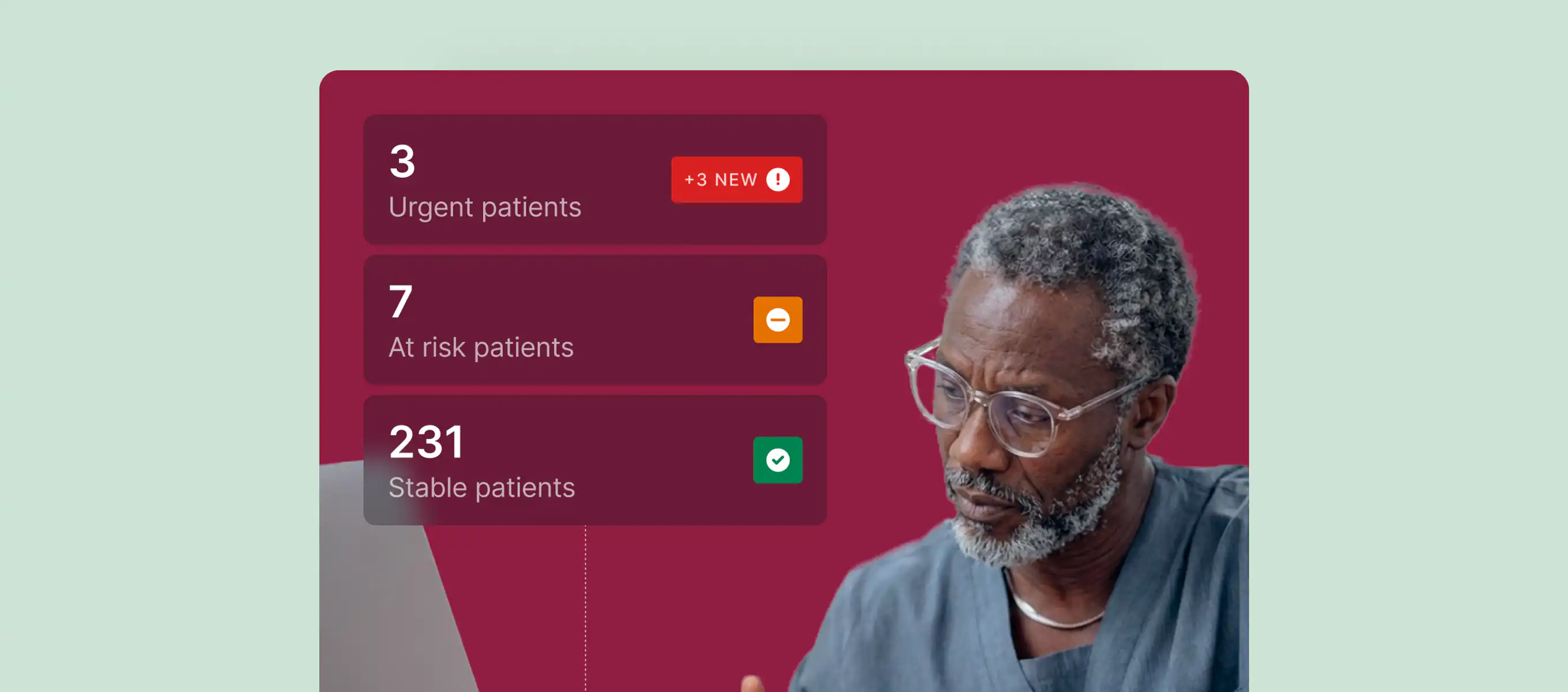
The product requirements to scale a cardiac-monitoring solution

Precision Cardiovascular
  • Clinician interviews
  • Patient focus group
  • Product strategy

One-to-one interviews with heart-failure nurses and cardiologists, triangulated with a patient and caregiver focus group and analysed through the Four Forces and Jobs To Be Done, to define what a cardiac-monitoring product must do to be adopted at scale.

Visit precision-cv.com

The challenge

What will drive clinicians, patients and hospital buyers to adopt a new cardiac-monitoring solution at scale, and what must the product do to improve their workflow?

Clinicians and patients, side by side

Remote one-to-one interviews with around nine heart-failure nurses and cardiologists at St. Luke's, Kansas City, triangulated with a focus group of four device patients and a caregiver, and analysed through the Four Forces, push, pull, inertia and anxiety, and Jobs To Be Done. Eight weeks end to end.

What we found

Integration is the single biggest pull. EMR and Epic integration and automated readings would remove the double jobbing of fragmented portals: "It's duplicating work. A tab in Epic would be great," as Anthony, a cardiologist, put it. Trust in the data is the gate to buy-in: clinicians need confidence in accuracy, patient-visible data boosts compliance, and alert fatigue slows decision-making.

Patients switch at a specific intersection of repeated hospitalisations, family influence and trust in the care team. In Kerm's words: "I had three pulmonary edema episodes in a year and a half before saying yes."

The impact

A clear set of product requirements for adoption at scale: EMR integration, automation of readings, a simpler implant pathway, ROI evidence and strong vendor support, grounded in both clinician workflows and the real triggers behind patient adoption.

Our involvement

What we did

Research

Clinician Interviews

Remote one-to-one interviews with heart-failure nurses and cardiologists at St. Luke's, Kansas City, on workflows, portals and what would drive adoption.

Get an indicative price No sign-up required.

What it is

One-to-one interviews with the clinicians who would use, or refuse, a new monitoring tool.

When you need it

A clinical product needs to fit real workflows, and only the people inside them can tell you how.

What you'll get

The workflow pain points, integration needs and trust conditions behind clinician adoption.

How we do it

Remote semi-structured interviews with around nine clinicians. Typical timeline: 3 weeks.

Research

Patient Focus Group

A focus group with four device patients and a caregiver, to understand the moment patients say yes to monitoring and what keeps them using it.

Get an indicative price No sign-up required.

What it is

A moderated focus group with patients living with the condition and the people who care for them.

When you need it

Adoption depends on patients as much as clinicians, and their triggers are rarely obvious from the outside.

What you'll get

The intersection of hospitalisations, family influence and trust in the care team that moves patients to accept a device.

How we do it

Moderated focus group with patients and a caregiver, triangulated with the clinician interviews. Typical timeline: 1 week.

Synthesis

Four Forces & JTBD Analysis

Analysed both strands through the Four Forces, push, pull, inertia and anxiety, and Jobs To Be Done, to turn adoption behaviour into product requirements.

Get an indicative price No sign-up required.

What it is

A framework for turning what people say about switching into the forces that actually decide it.

When you need it

You need requirements a product team can build to, not a list of quotes.

What you'll get

A clear set of product requirements for adoption at scale, grounded in clinician workflows and patient triggers.

How we do it

Four Forces and JTBD analysis across interviews and the focus group. Typical timeline: 2 weeks.